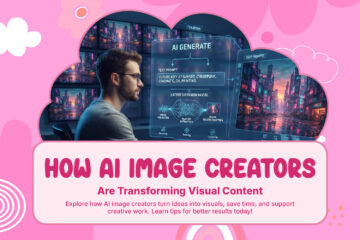
The New Era of Smarter and More Flexible AI Photo Editing
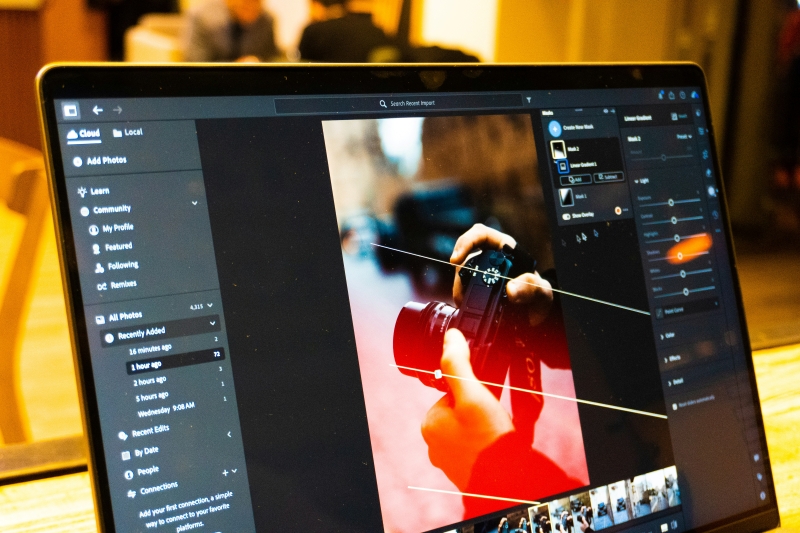
Making high-quality photos used to require advanced programs, special knowledge, and lots of time. Now, AI photo editing is revolutionizing the process by letting people modify and alter images using only a few simple words. From changing background scenes to sharpening fine details, AI-powered photo-editing applications are not only saving time but also democratizing access to image creation skills.
Besides, these breakthroughs can benefit a range of professionals such as photography experts, graphic designers, web developers, digital content creators, bloggers and small business owners – the common denominator here being a fast delivery of high end, professional results through a simple interface.
Table of Contents
How AI Photo Editing Is Changing the Traditional Way
To a large extent, it boils down to an issue of workflow efficiency. Traditional tools typically require the user to go through a number of different steps. In fact, an individual may need to carry out several different operations, such as object selection, color correction, removing background items or parts, masking and layer adjustments. These methods certainly allow for very precise controls but require quite substantial expertise to operate.
On the other hand, machine learning-assisted editing is a radically different concept. In a nutshell, rather than performing changes point by point manually, it becomes much easier to just tell the program what to do. The program interprets its input and delivers an edited photograph that incorporates those changes.
From Manual Adjustments to Natural-Language Instructions
Images can be quickly adjusted with simple instructions in plain language. For instance, someone may direct an AI to substitute plain backdrops with the kind of lighting and background one would be offered at a professional photography studio, while making sure no changes whatsoever to the person or the other objects present are made.
With such a method, artists can concentrate mainly on the visual expression and less on the actual procedures of realization.
Examining Cutting Edge AI Photo Manipulation Tools
Making image manipulation with an AI-powered tool has reached the level where the software can create and change images that look and feel like they’re real. Today’s best platforms offer users AI models integrated with hands-on editing tools. This blend of technology empowers users to transform and explore with both the existing pictures and the brand-new creative ideas.
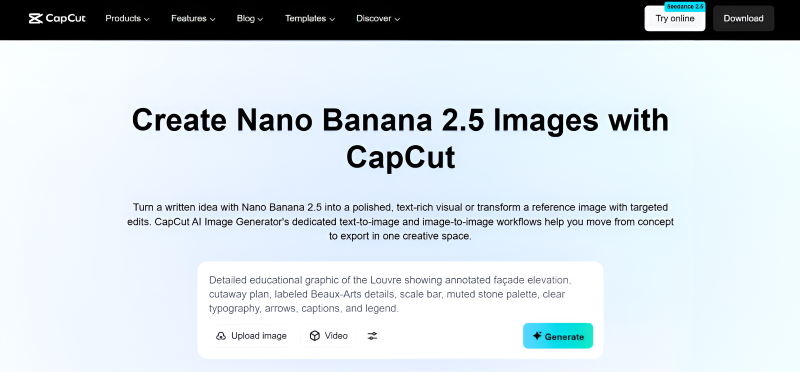
When you use a Nano Banana 2.5 photo editing tool, one of the most encouraging aspects is the ability to experiment with visuals simply by describing the changes you want it to make.
Enhancing Existing Images
A great modern AI editing feature is that it lets you build up your work from an existing photo. Users can offer a sample and ask for changes without creating a whole new image.
This technique is particularly useful to artists or photographers as a subject is to be kept almost unaltered in the original work. For instance, a product shot may not be changed in any way except for trying out different backgrounds or lighting setups.
Practical Uses for AI Photo Editing
AI photo editing is a photo editing with different levels, such as product and social media content editing, etc.
Making More Attractive Product Images
Many retailers would like to feature product photographs that grab the customer’s attention for both website and promotional material purposes. AI technology enables users to develop various versions of a product image without the need to redo the whole photography shoot every time they have a new idea.
Tech uses that can be made to a product picture through AI include:
- Getting rid of unappealing surroundings
- Generating new looks based on visuals
- Enhancing the presentation of product
- Creating different variants of the image to accompany various marketing strategies
After the editing, it is important to double check that the product characteristics that matter most are still visible.
Enhancing the Quality of Social Media Content

Social media marketers need new visuals on a regular basis to sustain an active social media profile. By changing the way you present the image using AI editing techniques, you can come up with an impressive number of different concepts based on just one photograph with no loss to the important elements of the original.
Indeed, a photograph, for example, might be used in different ways – one for the campaign related to a season, one to a product promotion, or a change of the visual theme.
Writing Better Prompts for AI Photo Editing
The clarity of an instruction can significantly affect an AI-produced outcome. Clear, concise, and focused prompts tend to lead to better results than vague or ambiguous ones.
Keep Instructions Clear and Focused
A well-written prompt may include:
- Mentions of what to modify
- Reference to what to preserve
- Description of the desired atmosphere, or artistic style if any
- Specification of lighting and camera composition elements
Instead of simply saying “make this picture professional,” a photographer is better off stating in detail the environment, lighting conditions, and appearance they have in mind.
Additionally, it is helpful not to do all changes at once but step by step: one major change per run, so the AI can be better understood and unwanted outputs can be rectified.
Why Human Review Still Matters
Although AI photo editing can yield amazing images, it is still far from being absolutely flawless. AI-generated images can have unexpected details, inconsistent shadows, object distortions, or incorrect text at times.
Therefore, creators should look closely at AI-edited images before releasing them. Such check is crucial especially for commercial content where product appearance, branding, and factual accuracy are of utmost importance.
Human creativity will always be necessary. AI can assist with carrying out an idea, but it’s the judgment of a person which will determine if the final image effectively conveys the right message.
The Future of AI-Assisted Creativity
Picture a world where you tell the computer what edit you want in plain English, and it produces the photo you imagine—no more hours in Photoshop. AI photo editing is pushing visual creation into a more flexible, conversational territory. As the technology gets better, creators may be able to make more complex changes with fewer technical steps.
The best path is most probably an integration of AI aid with the old-fashioned creative methods. Fields like photography, layout, branding as well as visual storytelling will be the decisive factors in the quality of the output.
Conclusion
AI photo editing is bringing forth fresh horizons for those who look to generate, edit and refine their visual content at faster rates. Through coupling image generation/editing functionalities with a set of human understandable instructions in natural language, these tools can make certain procedures that were once limited to experts much easier.
The most amazing effects however are achieved through the cooperation (and sometimes competition) of the machine and human intelligence. By setting unambiguous instructions, doing a proper investigation and checking the output before sharing it to its final destination, the users will be able to take full advantage of this fast-evolving technology.
Ready to explore more creative techniques? Visit our blog for more practical tips, design insights, and inspiration.