Color Temperature in Branding: The Powerful Impact of Warm vs Cool Color Perceptions
In branding, color is often chosen because of visual preferences or rising trends without considering the nuance behind it. Many people are unaware that color conveys different impressions based on whether it has a warm or cool nuance. The difference between these two perceptions is often defined as the color temperature.
The concept of color temperature helps build the audience’s emotional perception of a brand. As we commonly know, “warm” and “cool” are often related to temperature with significant differences in their nuances. This understanding later becomes a crucial part in arranging a consistent and directed visual system.
This article will discuss how warm and cool colors influence brand perception, as well as when each approach is more effective. Additionally, it will explain how color temperature can be consistently applied within a brand’s visual system. As a part of a wider approach in Color Strategy for Branding & Design, the explanation of color temperature will help brands use colors in a more directed and organized manner.
Table of Contents
- 1 What Is Color Temperature in Branding?
- 2 Warm Colors and Their Impact on Brand Perception
- 3 Cool Colors and Their Impact on Brand Perception
- 4 Balancing Warm and Cool Colors Using Color Temperature
- 5 Color Temperature Across Different Brand Touchpoints
- 6 Common Mistakes in Using Color Temperature
- 7 Conclusion: Using Color Temperature to Shape Brand Perception
What Is Color Temperature in Branding?

Color temperature is a concept of dividing colors based on their warm or cool nuance that can trigger emotional perception both psychologically and visually. In a branding context, this understanding helps explain why certain colors can make a brand feel friendlier and more energetic while other colors feel calmer and more professional.
Keep in mind that color temperature does not define the colors you should choose; rather, it indicates how the audience perceives the color. Two similar-looking colors can have differing temperatures, resulting in different sensations. This strategy is vital to creating the right brand perception, even if the audience doesn’t know the difference.
Generally, colors with a warm tone tend to feel closer, active, and expressive. Otherwise, the cool-tone colors are often related to serenity, stability, and control. In a brand’s visual system, color temperature functions as a tool that maintains the consistency of visual atmosphere, ensuring your brand stays cohesive and recognizable.
Warm Colors and Their Impact on Brand Perception
Just like what has been explained above, color temperature is divided into two nuances: warm and cool. In this chapter, we will talk about the warm color first. Warm-tone colors have a visual characteristic that tends to appear active and appealing. This approach is used to create a sense of closeness and liveliness, allowing the audience to quickly and emotionally respond when interacting with the brand.
In general, warm colors build these following main perceptions:
- The colors feel warm, giving a sense of closeness and familiarity.
- An energetic impression arises because these colors appear active and dynamic.
- Such an impression makes the brand feel friendly and approachable.
- The visual character of the brand appears bolder and more expressive.
Brands that aim to appear interactive and expressive often use a warm color approach. Warm nuance is ideal for brands like F&B, entertainment, and lifestyle products and brands aiming to serve communities.
However, keep in mind that using warm colors needs adequate control. If you use too much of them, the overall brand visual will appear too aggressive, tiring, and unbalanced.
Cool Colors and Their Impact on Brand Perception
Unlike the character of warm colors that tend to appear active, cool-tone colors tend to appear calm, stable, and controlled. This approach is often used for brands that wish to build a neat and reliable impression, especially in a communication context that needs clarity and consistency.
Cool tones shape several key perceptions, including:
- Colors feel calm because they appear visually non-aggressive.
- Cool colors convey a professional impression by creating a visual that is more organized, neat, and serious.
- Cool colors create a trustworthy impression because they have a sense of security and credibility.
- Cool color tones appear stable because they feel consistent and don’t change easily.
Brands that wish to increase trust, such as those in technology, financial services, health care, and education, often utilize the cool color strategy. However, the use of cold colors presents certain challenges, particularly when they lack alignment. Your brand’s visual identity may appear inflexible, cold, and emotionless if it solely relies on this color palette.
Balancing Warm and Cool Colors Using Color Temperature
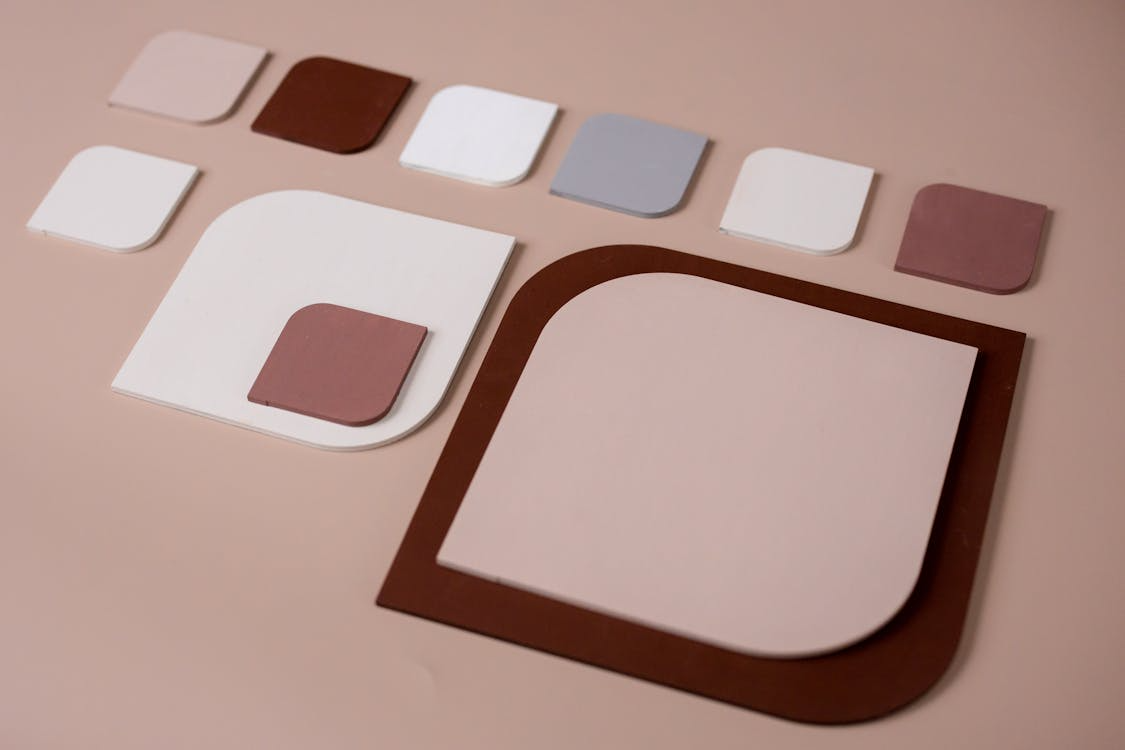
In the branding practice, brands rarely rely solely on one color nuance. The combination of both warm and cool color nuances is a great strategy to create a balanced visual, making it not too aggressive yet not too plain at the same time. Hence, understanding the balance of the color temperature becomes a crucial thing to do.
The most common approach for integrating the two nuances is to change the role of each. The dominating colors often define the brand’s main character, while the other colors serve as a supporting composition to strengthen it. The separation of the roles will result in a clear visual hierarchy, allowing the viewer to fully comprehend the core message without being distracted by excessive contrast.
In a broader context, color temperature balance is closely related to the principle of color harmony, where colors are arranged to complement each other and not clash. When warm and cool colors are used appropriately, they will appear more vibrant and recognizable across various media and situations.
Color Temperature Across Different Brand Touchpoints

The use of color nuance varies based on the type of media and context that a company wants to present. As a result, temperature implementation needs to be fully understood as a visual system that operates across multiple media, rather than just one.
In a logo, color temperature represents the main character of a brand. Hence, designers need to carefully implement it, as it significantly affects the psychological perception and overall brand identity impression.
In digital media, such as websites and social media platforms, color temperature significantly affects the audience’s visual comfort. An excessive saturation can feel tiring, while plain nuance risks losing the appeal. Therefore, achieving a balance in color temperature is crucial for maintaining a consistent audience experience across various platforms.
Meanwhile, the difference in medium might influence how people perceive colors in print and promotional media. Balanced nuances on screen may appear heavier or paler than they do in print. As a result, maintaining a consistent color temperature becomes critical to ensuring that the brand identity remains consistent even when applied to multiple media.
Common Mistakes in Using Color Temperature
Although the concept of color temperature sounds simple, its application in branding often leads to unconscious mistakes. Here are some common mistakes that occur when brands don’t see this method as part of a planned visual system.
-
Using color nuances without a clear purpose.
Some brands choose colors based on taste or temporary trends instead of supporting the brand’s character and message. As a result, the visual lacks direction, and it is hard to build consistent perception.
-
Choosing extreme color temperature.
Colors that are excessively warm or cool will dominate the overall appearance and impair visual comfort. The issue isn’t choosing the wrong nuance; rather, it’s a lack of control when using them in different situations.
-
Not maintaining consistency.
The right color temperature in one medium might feel different in others if it’s not properly managed. This inconsistency will make a brand feel less neat and solid.
-
Following trends without considering the brand identity.
There is nothing wrong with being up-to-date with the trends. However, keep in mind that making a visual adjustment without understanding the color nuance of the brand will risk it losing its own identity.
Conclusion: Using Color Temperature to Shape Brand Perception
Understanding color temperature helps brands recognize that colors are more than just an aesthetic aspect. They are part of a visual strategy that can influence the audience’s perception and emotions. Warm and cool colors can influence how a brand is perceived by the audience, ranging from friendly to professional, without drastically changing the color identity.
With planned and consistent application, color nuances will strengthen the brand’s visual identity across various media. Re-evaluate the visual impressions your brand is creating. Ensure that the visual system you are using is aligned with the brand message and personality you want to convey.