Logo Psychology: How a Successful Logo Design Affects Brand Perception
Many people place value on a brand they see for the first time based on its logo and visual look. People can form many opinions about it, and such a judgment usually occurs within seconds. In this case, logo psychology plays a crucial role, as the logo design can directly impact the audience’s perception and emotion.
Without realizing it, color, shape, and typography in a logo can provide a certain nuance that makes it either feel professional, friendly, or unconvincing. This is why the process of creating a logo involves not only aesthetics but also the audience’s perception of the design.
This article will teach you about logo psychology and how logo design elements can significantly shape brand perception.
Table of Contents
What is Logo Psychology?
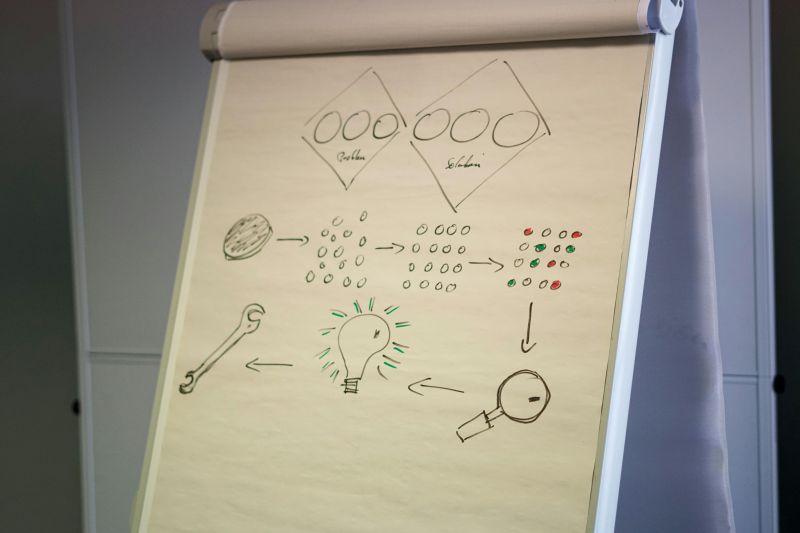
Logo psychology is the study of how visual aspects of a logo influence how people see and feel a brand. In practice, this process is similar to how the brain reacts swiftly to color, shape, and typography without even realizing it.
When a person sees a logo, they don’t only “see,” but also process an impression in their mind. This happens instantly, making it even more important for designers to design a logo that can properly build the brand’s first impression.
By understanding logo psychology, the process of designing a logo can focus both on its appearance and how it can deliver the right emotion and message to the audience.
Why is Logo Psychology Important in Branding?
In the branding world, a first impression is often created in the matter of seconds. This is why logo psychology is important because your logo is one of the first things the audience sees, even before they know the brand.
The audience can shape their perception of a logo without needing to read or learn more about the brand. Color, shape, and visual style can directly affect whether a brand looks professional, reliable, or the opposite.
The following are some reasons why logo psychology is important in branding:
- It helps build a strong first impression: A proper logo can directly represent the brand’s character.
- It affects the audience’s level of trust: Consistent and clear designs tend to be more reliable.
- Logo psychology differentiates a brand from its competitors: Visual perception helps a brand look unique among others.
- Logo psychology strengthens the overall brand identity: A logo becomes the visual representation of the brand’s value and character.
By understanding logo psychology, logo design is no longer just a visual element but becomes an important part of shaping how a brand is perceived by the audience.
The Main Elements of Logo Psychology
Color Psychology in Logo
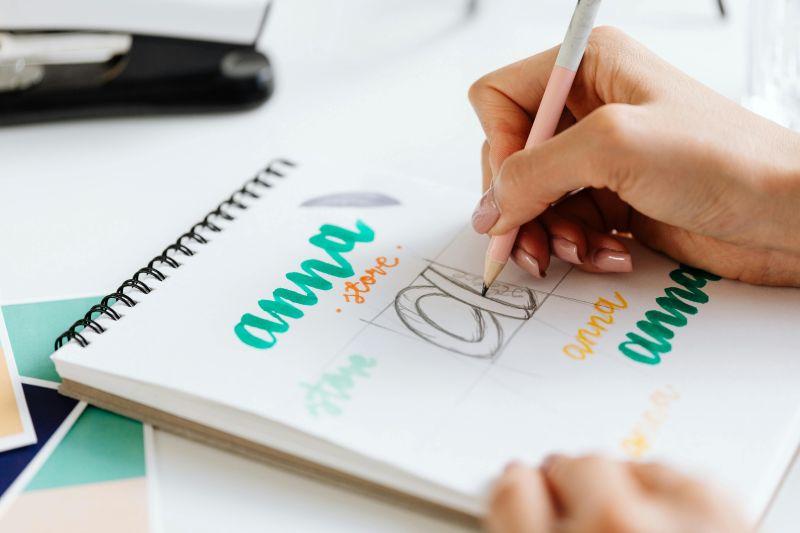
Color is one of the strongest elements in logo psychology because it directly triggers emotional responses. Without any explanation, the audience should be able to feel certain impressions from the color used in the logo.
The following are the most common examples:
- Red can symbolize bravery, energy, and appeal.
- Blue gives a sense of trust, professionalism, and stability.
- Yellow represents a joyful and optimistic impression.
- Black means elegant and premium.
In this case, the choice of colors should not only be based on taste but also adjusted to the character and target audience of the brand.
Shapes and Symbols
Aside from colors, shapes also have a big impact on logo psychology. Each shape brings a certain visual impression that affects how a band is perceived.
Examples:
- Circle represents togetherness, friendliness, and flexibility.
- Square gives a sense of stability, strength, and reliability.
- Triangle has a dynamic and progressive impression.
Tipography
In logo design, typography not only functions as a text element but also as a key element that shapes a brand’s character. Through its shapes, thicknesses, and styles, typography can determine a brand’s tone and overall impression.
For instance, a serif font often conveys a classic, reliable impression, while a sans serif feels more modern and cleaner. On the other hand, scripts tend to provide a more personal and elegant nuance.
The proper selection of typography helps strengthen brand identity without any excessive element details. So, in logo psychology, typography is about how a brand wants to “speak” visually, not just readability.
Composition and Spacing
In logo psychology, composition and spacing play a big role in determining visual comfort. This is not just about what elements are used; it is also about how those elements are arranged and spaced between one another.
A logo with a neat composition will be easier to understand and won’t strain the eyes. Conversely, if the elements are too close together or unbalanced, the logo can appear “heavy” and be difficult for the audience to quickly grasp.
The use of white space is also an important part of designing a logo. This space helps each element “breathe,” making the visual message deliverable more clearly without looking excessive.
In practice, a successful composition does not always have to be symmetrical, but it should still feel balanced. With the right spacing arrangement, a logo can look more professional, even when using simple elements.
How a Logo Influences The Audience’s Perception
Before understanding the elements of logo psychology, it is important to see how all of them work together to shape the audience’s perception.
When a person sees a logo, their brain does not analyze the details one by one. In fact, all of the elements—color, shape, typography, and composition—are processed quickly and instantly create a certain impression in their minds.
The process enables a logo design to significantly impact how consumers perceive a brand. Logos creates the following perceptions:
- Professional
A neat and consistent logo tends to be more trusted.
- Modern or classic
The visual style of a design directly impacts whether a brand looks up-to-date or traditional, evoking either a sense of modernity or classics.
- Friendly or formal
Shapes and colors can make a brand feel either more approachable or more serious.
- Premium
The selection of visual elements can either enhance or reduce the perceived value.
What’s fascinating is that all of this happens in a very short time, even before the audience truly gets to know the brand.
By understanding logo psychology, you can design a logo that not only looks appealing but also shapes perceptions in line with the brand’s goals.
Tips in Effectively Using Logo Psychology

Understanding logo psychology can be more beneficial when we can properly apply it in the logo designing process. The approach does not have to be complex; it is more important to use each element consistently, ensuring it remains relevant to the brand purpose.
The following are some tips you can apply:
- Start with the brand character, not the visual.
Determine first what type of brand you want to create, whether professional, friendly, or premium. Then you can select the visual elements for creating it.
- Use elements consistently.
Colors, shapes, and typography should support each other, not stand alone without direction.
- Don’t use too many meanings.
A logo with too many messages will confuse the audience and obscure the brand’s core meaning.
- Prioritize the main impression you want to create.
To make your logo more consistent and memorable, focus on one or two main impressions.
- Test the logo from the audience’s perspective.
Review whether the logo is successful in creating the intended impression. Do not only look at it simply because it looks intriguing.
By applying these tips, logo psychology can be used more effectively to support logo designs that are not only attractive but also targeted.
Conclusion: Logo Psychology Makes a Logo Design More Meaningful
In the end, logo psychology helps the audience see a logo design from a deeper perspective, not only from the visual appearance. People can understand how a logo creates the audience’s perceptions and emotions in a short time.
Understanding this concept will help direct the logo designing process. Each element used is no longer only about aesthetics but also has a clear purpose in delivering the brand character. Starting with simple steps, such as selecting colors and shapes, the process will develop gradually from there.
With the right approach, logo psychology can help create logo designs that are not only attractive but also truly effective. Visit the Yumnatype blog to read more interesting articles about design and logos.