
A Guide for Selecting The Best Logo Types for Your Logo Design
Many novice designers rush into creating a logo without understanding the various logo types currently available. Yet, each type has a different structure and function, depending on how the brand wants consumers to perceive it.
Understanding logo types will help you determine your design direction from the start. This way, the logo design process is no longer just about trying out various shapes but rather has a clearer and more focused foundation.
In this article, you’ll learn about the most common logo types and how to choose the right one for your brand.
Table of Contents
What are Logo Types?
Logo types are categories of logos distinguished by their shape and visual structure. In design practice, this classification helps understand how a logo is constructed, whether it’s text-based, symbol-based, or a combination of both.
By understanding logo types, you can more easily determine your approach from the start. Each type of logo works differently, both in terms of appearance and how audiences recognize it. This way, designers don’t have to try various styles aimlessly and can immediately choose the type that best suits their brand’s needs.
Wordmark
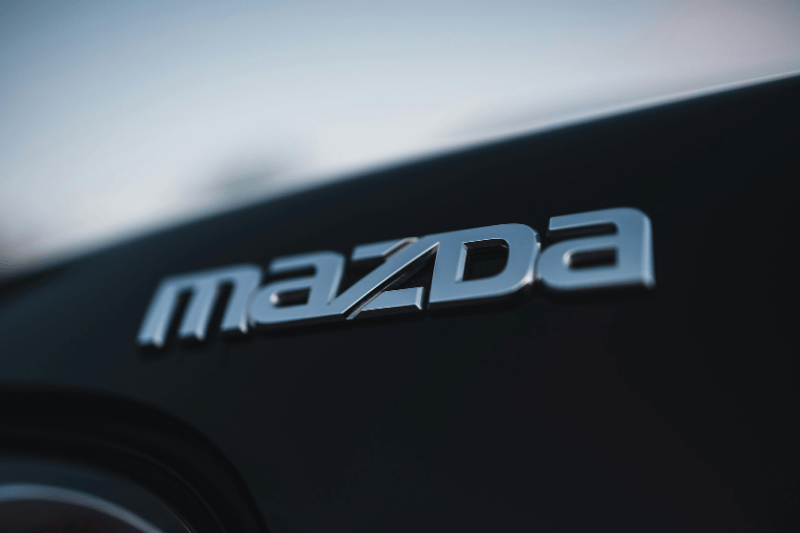
A wordmark is a type of logo that uses the full brand name as the main element. The focus of this logo is on the typography, so the font selection is crucial to the final result.
This type of logo suits brands with strong or unique names, so they don’t need additional symbols to recognize them. Wordmarks are also suitable for brands that want a clean and professional appearance.
Keep in mind that because the power of this logo comes from the font alone, it requires more processing to prevent the logo from appearing too simple and generic.
Lettermark

A lettermark is a logotype that uses the initial letter or an acronym of a brand. In the logo types, designers often use this approach to simplify a long brand name.
This logo works well when the brand has a long and complex name that needs to be made into a logo. Moreover, this type of logo is perfect for a brand that wants to look simple and unique.
As a note, a lettermark is less suitable for new brands that lack awareness. A lettermark logo needs consistency and attractive branding for recognition.
If you need font references for lettermark logo projects, you can visit yumnatype.com. Find various font recommendations and get the best offer there.
Icon or Symbol Logo

This logotype relies on a specific symbol or picture as the main element, without displaying the full brand name. In the list of logo types, this approach uses the symbol’s visual strength to make it recognizable.
Brands that want to appear visually strong often use this symbol as their logo. However, as a note, this logo is only suitable for brands with a high recognition level. Because of its simple look, this logo needs more time to build audience awareness of the brand identity.
Combination Mark

Next on the list of logo types, the combination mark is a blend of text and a symbol in one logo. It is the most flexible logo due to its ability to use only one or both of the elements. With its high flexibility, a combination mark is suitable for use in various branding needs.
A combination mark is perfect for new brands seeking a clear and strong visual identity. As a note, this logo should still maintain its balance between text and symbol, not letting any element be too dominant.
Emblem Logo

An emblem is a logotype where text blends with a specific shape, such as a badge or crest. In the list of logo types, this logo often gives a classic and formal impression.
Brands with a heritage or traditional concept are perfect to use this type of logo. Emblem logos make brands look strong and formal. As a note, this logo is less flexible at small sizes due to its tiny details, which need to remain readable.
Guide to Choose Logo Types
After understanding various logo types, the next step is to determine which type best meets the brand’s needs. Not all logos suit the industry, so careful selection that aligns with the brand’s character and goals is necessary.
The following table shows the grouping of logo types, which can be used as an initial reference:
| Logo Types | Advantages | Disadvantages | Suitable Brands | |
| Wordmark |
|
Less suitable for brands with long names | Brand with a short and unique name | |
| Lettermark | Look simple | Less suitable for brands that are not yet widely known | Brands that have long names | |
| Symbol logo | Brands look visually strong | It takes time to build a brand identity that is widely known. | Brands that want to appear iconic and different | |
| Combination mark | Flexible for various branding needs | The balance between name and symbol must be maintained. | New brands that want to be known quickly | |
| Emblem logo | Gives a heritage or vintage impression | Less flexible for some media, especially on a small scale | Brands that want to carry a formal, vintage, and authoritative theme. |
The right selection of logo types can ease the overall process of logo design. With knowledge of logo types, you can save time choosing the most suitable logo for all the brands.
How to Choose the Right Logo Types
Choosing the right logo types is not only about visual preferences but also about how the logo will be used and understood by the audience. Every brand has its needs; that’s why it has a different approach for each.
Here are some things to consider when selecting logo types:
- Determine the Brand’s Goals First
Determine whether the brand wants to look professional, playful, or premium. This will make it easier for you to choose the right type of logo.
- Pay Attention to the Target Audience
A visual style that appeals to one audience may not be appropriate for another. Research your target audience first.
- Adjust with the Brand’s Character
Pay attention to the character of each brand. Modern brands typically favor a cleaner style, while classic brands may employ a more detailed approach.
- Consider Usage Flexibility
Another aspect you should take note of is to consider the usage of the logo across the media. Choose a type that remains clear in various sizes.
- Follow the Trends Carefully
Trends can change quickly, while logos are best used for the long term. So, avoid following trends.
With consideration of these aspects, selecting logo types will be more directed. We are not choosing a logo only based on visuals but also on the brand’s needs and functions.
Conclusion: Understanding Logo Types for a More Directed Design
Ultimately, understanding logo types means knowing what they are and determining the design direction from the start. By choosing the right type of logo, the logo design process becomes more focused and does not stray far from the goal.
Each of the logo types has their own function and character, so there is no single type that is always the best. The most important thing is to adapt the logo to the brand’s needs, target audience, and use.


